

使用粉体表征,确定设计空间
粉体表征并非通过单一参数就能完成,通常需要借助多项指标才能形成粉体行为的全面理解。然而,大量独立的参数可能会造成误解,甚至可能掩盖其中有用的数据。在此,我们将讨论如何合并多项测试数据,为生产过程中粉体选型建立预测模型。本次介绍的方法不仅针对制药片剂的生产,也可用于其他各行业,为粉体选型提供合适的测试方法并建立明确的衡量标准。
零长柱(ZLC)技术研究丙烷在沸石中的扩散
扩散传质是化学工程研究领域的重要基础问题,对于吸附分离和非均相催化等工业生产至关重要。沸石因其发达和规整的孔道结构、高的比表面积、表面酸碱性质可调节性以及特有的择形选择性被广泛应用于这两个工业生产过程。基于此,人们应用多种手段对丙烷等气体分子在沸石孔道中的吸附扩散行为进行了大量研究。 零长柱(Zero Length Column)技术作为一种测定扩散系数的宏观方法是由 Eic 和 Ruthven 于 20 世纪 80 年代提出,ZLC 技术利用惰性高速气流通过极少量的已经吸附质饱和吸附的吸附剂,忽略传热和传质阻力的影响,记录脱附过程中吸附质的浓度随时间的变化,通过模型拟合求得扩散系数。ZLC 技术操作简便,已被广泛应用于沸石等微介孔材料中气相单组分、二元组分的吸附扩散研究,为吸附分离和非均相催化过程提供了重要的基础数据。 本场网络研讨会,将会介绍如何在 Micromeritics 穿透曲线分析仪 BTA 上进行 ZLC 扩散测试,通过对脱附曲线进行数据拟合获得扩散系数,验证了穿透曲线分析仪 BTA 和 ZLC 技术对于沸石内丙烷扩散行为研究的可行性。
增材制造中粉末流动性评价技术的应用与创新
随着增材制造(AM)技术的快速发展,金属粉末作为其核心材料之一,其流动性评价成为了确保打印质量、提高生产效率和降低成本的关键因素。本次研讨会将聚焦于增材制造粉末的流动性评价,探讨最新的测试方法、技术进展及应用。 本次研讨将涉及以下方面: · 流动性评价的重要性:介绍粉末流动性在增材制造中的作用,以及通过流动性评价来提高打印件质量。 · 测试方法与标准:解读增材制造粉末流动性的测试方法,包括国内国外标准的最新动态。 · 技术创新:展示最新的流动性表征仪器,FT4粉体流变仪,助力企业实现原料的精确控制。 · 回收粉末的再加工与利用:探讨回收粉末再加工恢复原始状态的工艺,以及如何使用流动性评价这些工艺的有效性。 · 案例研究:分享行业内成功案例,确定可持续再利用的粉体评价依据。
FT4 Powder Rheometer
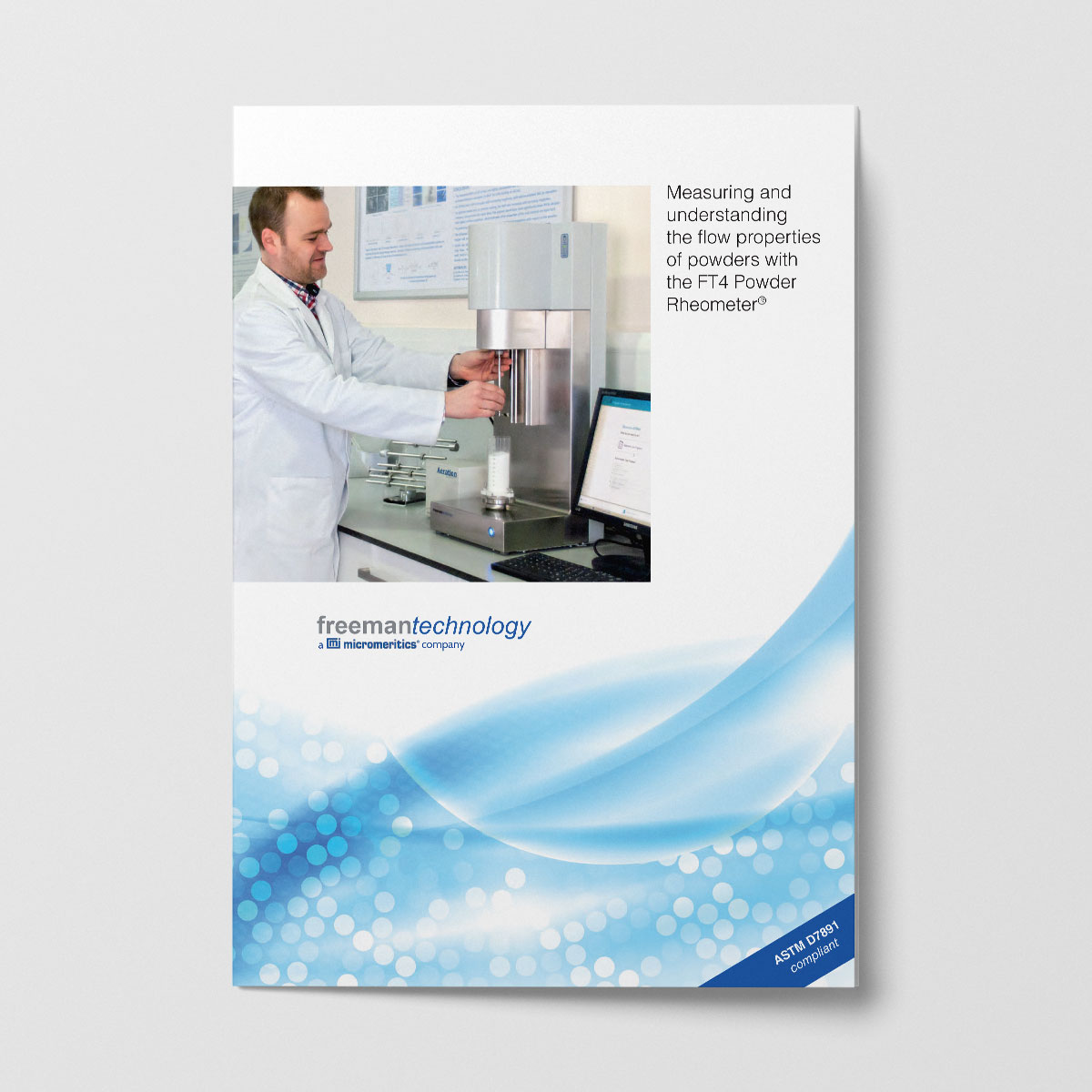
The Influence of Particle Size and Shape on Flow Properties
The size and shape of the particles within a powder are important factors in influencing behaviour, and many well-established techniques exist for measuring these properties. However, over a range of different processes, the relationship between these two parameters and flow properties is less well-understood, and due to the varying demands powders are subjected to by […]
Developing a Design Space for a Die Filling Operation
Filling is a common operation across all industries, although fill weights and tolerances vary widely. The pharmaceutical industry often requires milligram doses to be filled accurately and at high speed, in order to meet the stringent criteria and high throughput requirements of tablet manufacture. By contrast, the bulk chemicals and minerals industries may load powders […]
Quantifying Caking Using The FT4 Powder Rheometer®
Many materials in the food, chemical and pharmaceutical industries, from raw materials, additives and intermediates through to manufactured products, are supplied as relatively free-flowing powders suitable for the manufacturing process or final application. These materials are often stored for extended periods, during which time some powders will gain strength due to particle/particle interactions. This is […]
What Is Cohesion?
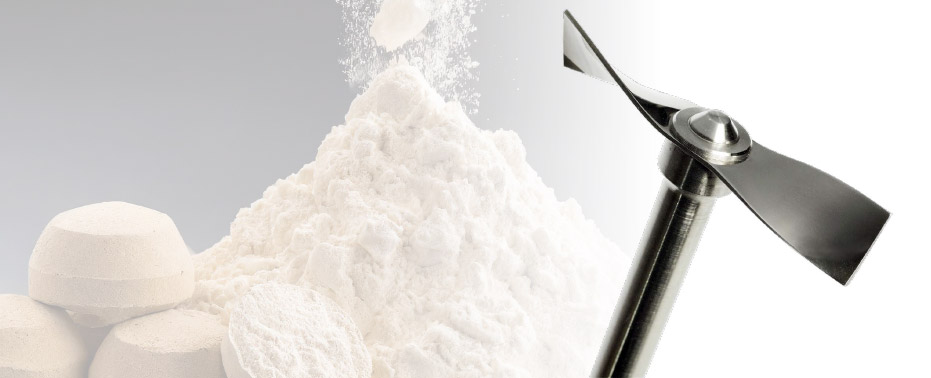
Cohesive Behaviour Cohesion is regularly regarded as one of the most influential properties to bulk powder flowability and is often blamed for powder processing issues. In a cohesive powder, particles attract to each other to form clumps or agglomerates that can cause blockages and inconsistent feeding and dosing, leading to wastage and inefficient processing. Cohesive […]
Profitable Powder Processing – Enhancing Efficiency with the FT4 Powder Rheometer
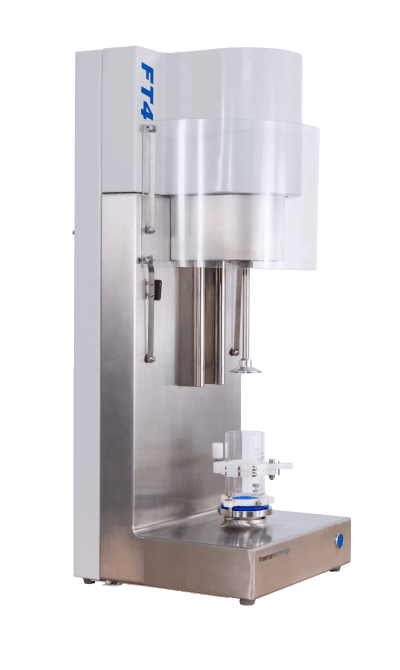
In powder processing, analytical data is a primary driver of progress towards better products and more efficient manufacturing practice. Instruments that deliver novel, unique and relevant information enable an enhanced understanding of powder behaviour making it possible to solve problems that are otherwise intractable, potentially transforming profitability. For nearly twenty years, we’ve learned about some […]
Optimizing Li-Ion Battery Electrode Manufacturing – Yield Case Study
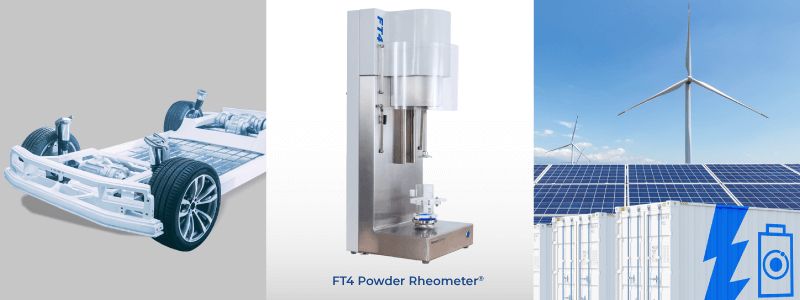
The FT4 Powder Rheometer® is a versatile instrument that can be used in both wet and solid li-ion battery electrode manufacturing processes. The comprehensive powder flow analysis provided can help improve battery efficiency, optimize the electrode packing density, lead to longer battery life, and in wet processes; control slurry agglomerates and dispersibility. This application note […]


