

TPR of Copper Oxide Nanoparticles on Alumina – Understanding the Effects of Particle Size and Surface Chemistry
Temperature programmed reduction (TPR) is often used to characterize the reducibility of metal oxides. It is a fingerprint of the reduction of the material as a function of temperature. The peak areas and max peak temperatures gives information on the strength, heterogeneity, and quantity of the reducible species. TPR studies are often repeatable, but a […]
Development of Catalytic Processes for the Conversion of Biomass into Value-Added Chemicals

Biomass is the only renewable and sustainable feedstock for the production of carbon-based fuels and value-added chemicals. Lignocellulosic biomass is the most abundant form of biomass and consists of polymeric sugars (i.e., cellulose and hemicellulose) and lignin, an aromatic, oxygen-containing polymer. This presentation will highlight approaches to valorize both of these main building blocks. The […]
Water Sorption Using AutoChem III
An overview of the vapor flow generator components and a few case studies are presented.
AutoChem III
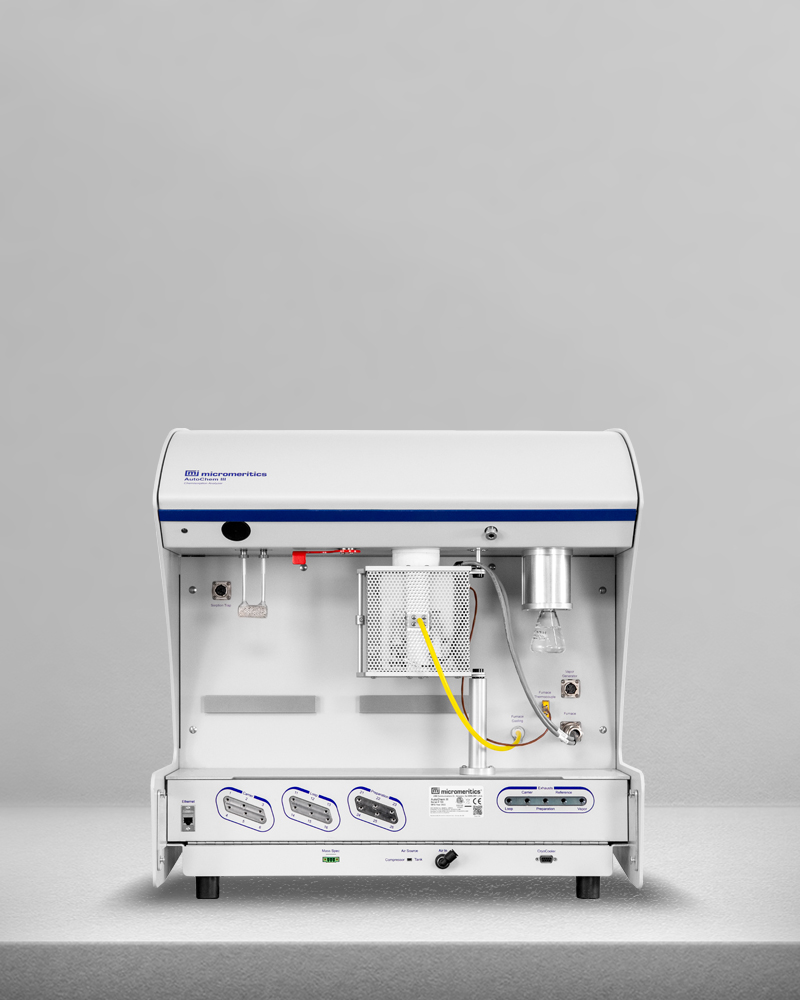
Catalyst surface area, dispersion, and activity with the fastest, safest, and most accurate system for chemisorption and temperature-programmed reactions.
ASAP 2020 Plus
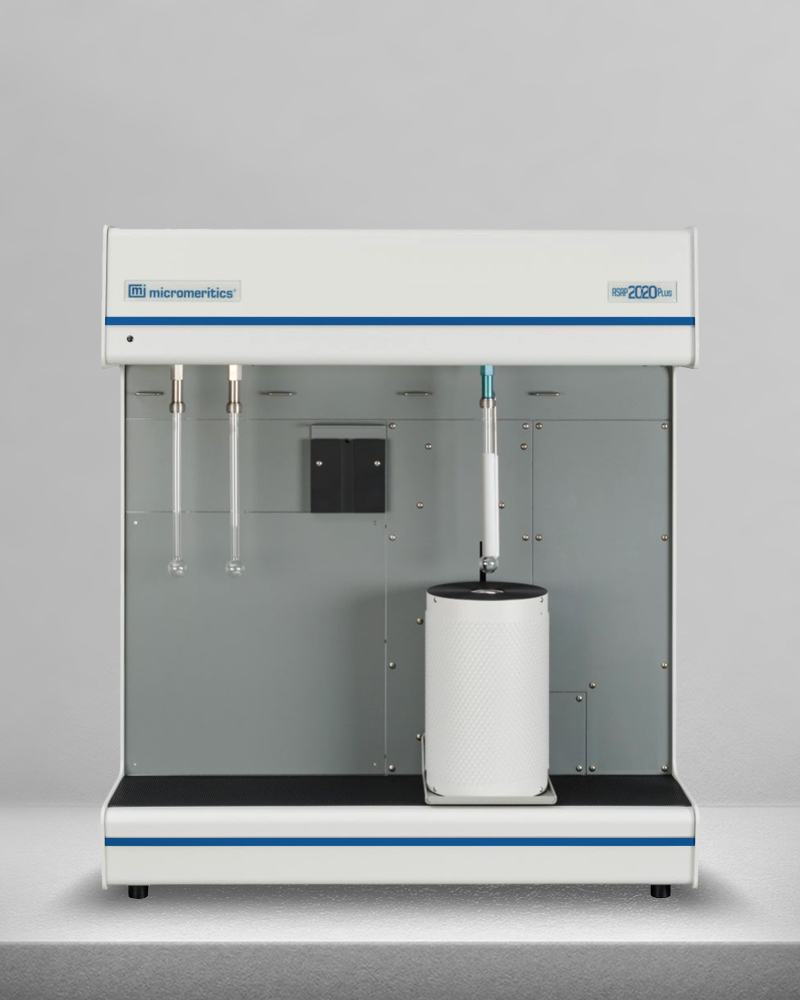
Accelerated Surface Area and Porosity
ICCS Catalyst Characterization
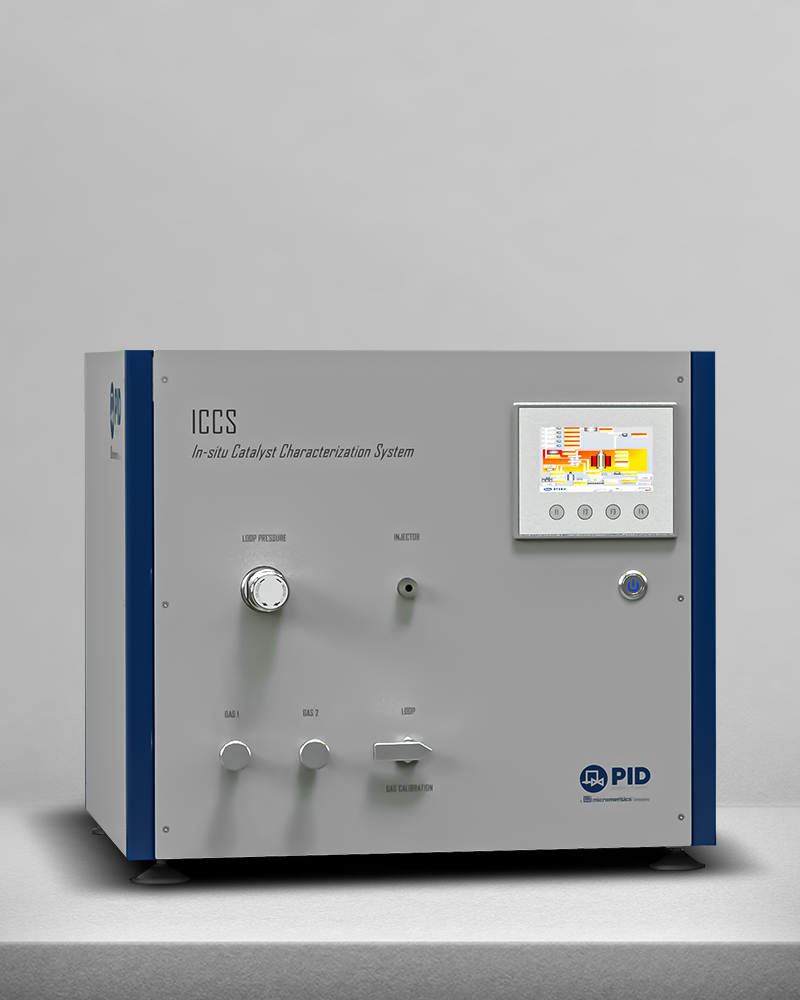
Fundamental catalyst characterization in situ with FR-series flow reactors
ChemiSorb HTP
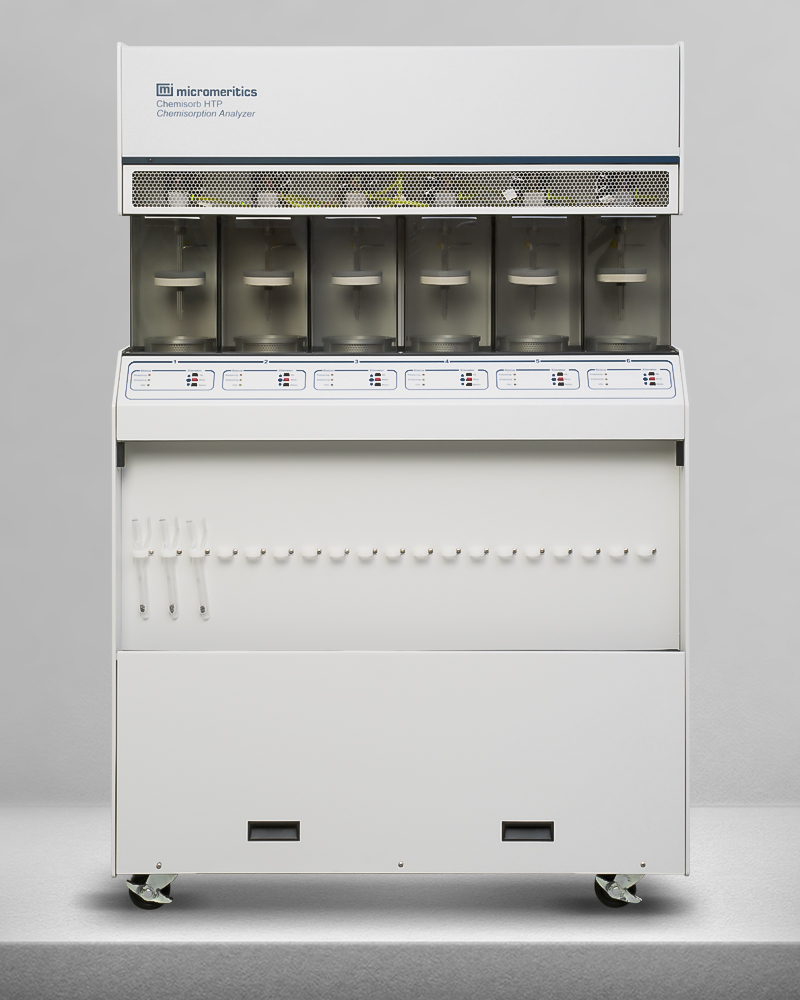
High Throughput Static Manometric Chemisorption Analyzer
3Flex
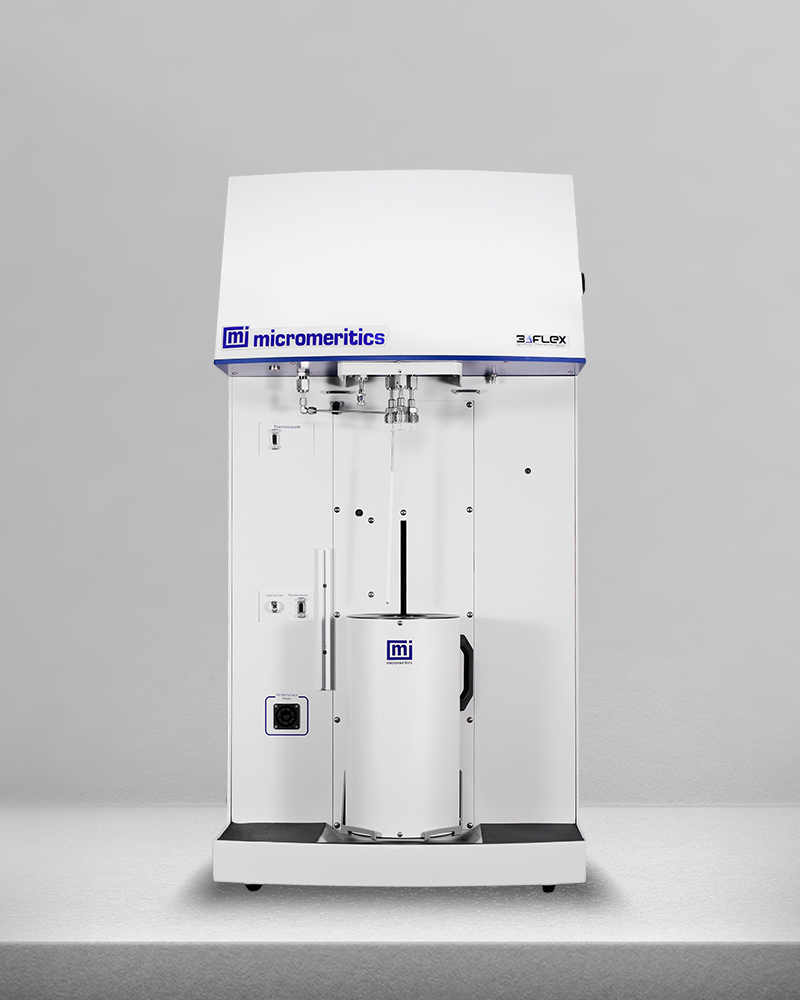
The most advanced textural analysis including surface area, pore size distribution including micropore analysis, and chemisorption in a single platform


